
Tracing the Evolution of Hybrid Gaming Interfaces That Blend Live Casino Elements with Sports Wagering Tools
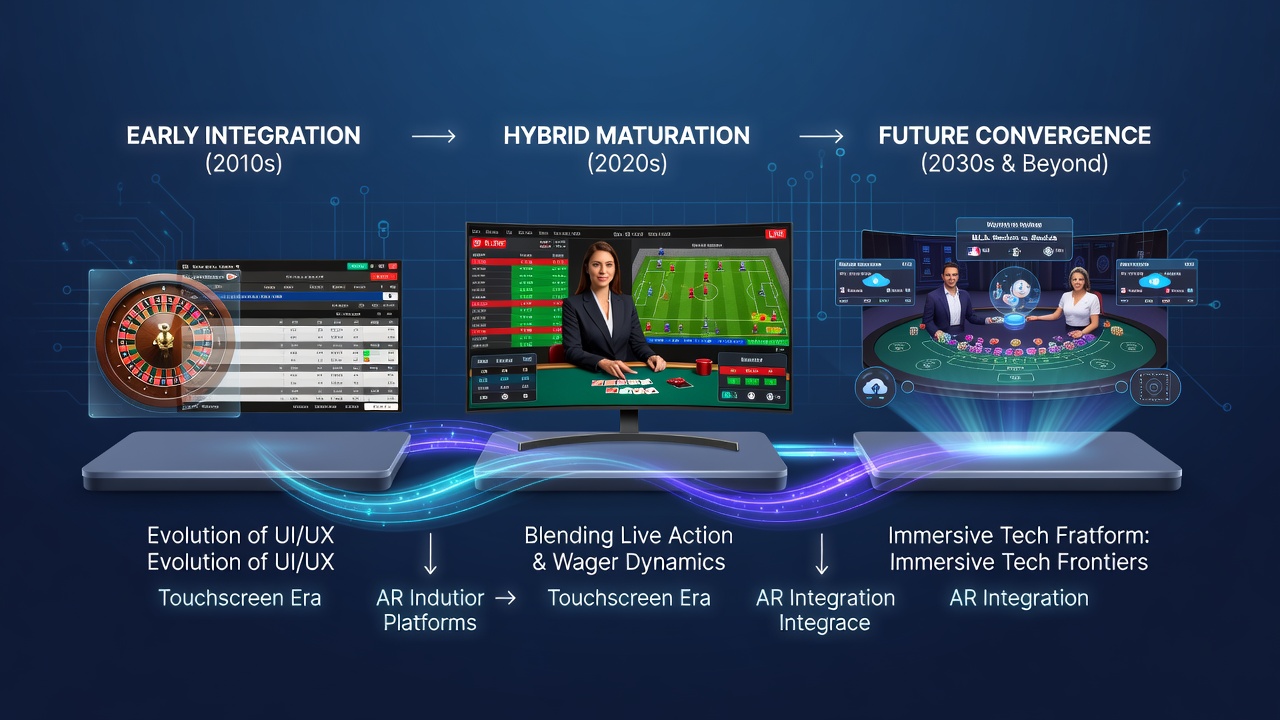
Hybrid gaming interfaces emerged as operators sought to merge live casino streams with real-time sports wagering dashboards, creating unified platforms that allow users to switch between dealer-hosted tables and live event betting without leaving a single session. These systems first appeared in regulated markets around 2015, when software developers began layering video feeds from roulette and blackjack tables over sports betting engines that updated odds dynamically during matches.
Early Integration Milestones
Initial attempts relied on separate windows or tabbed navigation, yet developers quickly moved toward synchronized APIs that pulled live dealer data and betting markets into one view. Observers note that by 2018 several European operators had rolled out mobile apps where a soccer match odds panel sat beside a side-by-side blackjack stream, letting bettors place wagers while watching cards dealt in real time. Data from the Nevada Gaming Control Board shows sports betting handle in the state climbed steadily after these combined interfaces gained approval, reaching multi-billion-dollar figures by 2022.
Platform builders turned to WebSocket connections and low-latency video protocols to keep both feeds aligned, because even brief desyncs between a live dealer shuffle and an in-play football bet created friction for users. Researchers at academic gaming labs documented how these technical choices reduced session abandonment rates compared with earlier fragmented designs.
Technological Shifts Driving Growth
Cloud-based rendering and edge computing further advanced the format after 2020, allowing high-definition dealer video to load instantly alongside rapidly changing odds from multiple leagues. One study revealed that operators adopting containerized microservices could push new game types, such as live baccarat with embedded tennis betting, to production within weeks rather than months. In August 2026 several North American platforms introduced augmented-reality overlays that placed virtual chips on both the dealer table and the sports pitch within the same viewport.
Regulatory frameworks kept pace with these changes. The Malta Gaming Authority published technical standards in 2024 that required explicit separation of funds between casino and sports modules while still permitting seamless visual integration. Those rules encouraged clearer audit trails without forcing operators to split the user experience. Canadian provincial regulators followed with similar guidelines in early 2025, prompting additional investment in compliant hybrid tooling across provincial gaming sites.
Current Market Patterns in 2026
Industry reports indicate that hybrid interfaces now account for a growing share of player engagement on both desktop and mobile. Figures reveal that sessions involving simultaneous live table play and sports wagers last longer on average than single-vertical sessions. Developers have responded by embedding shared loyalty systems that award points across both verticals, while risk-management engines monitor combined exposure in real time to stay within responsible-gaming limits.
Take one major operator in New Jersey that integrated its live dealer suite with its sports book in 2023; after the update, cross-vertical play rose measurably according to internal telemetry shared with state regulators. Similar patterns appear in Australia, where the Northern Territory racing commission has overseen trials of hybrid apps that blend live poker with Australian Football League betting.
Remaining Technical and Regulatory Considerations
Latency remains a focal point because sports odds can shift within seconds while dealer actions unfold over minutes. Engineers continue refining predictive buffering techniques that preload likely next bets without revealing outcomes prematurely. Security teams also address the expanded attack surface created when live video streams and wagering ledgers share the same client application.
Stakeholders from both casino and sports divisions now collaborate on unified compliance dashboards, since regulators increasingly request aggregated data rather than siloed reports. This coordination has led to standardized data schemas that travel between modules without exposing player identities beyond what each jurisdiction permits.
Conclusion
The trajectory of hybrid gaming interfaces shows steady convergence of live casino streams and sports wagering tools through successive layers of API integration, regulatory alignment, and infrastructure upgrades. Data from multiple jurisdictions confirms rising adoption, while technical refinements continue to tighten synchronization between dealer actions and live odds. As platforms mark further milestones in August 2026, the pattern points to continued refinement rather than wholesale reinvention of the combined experience.