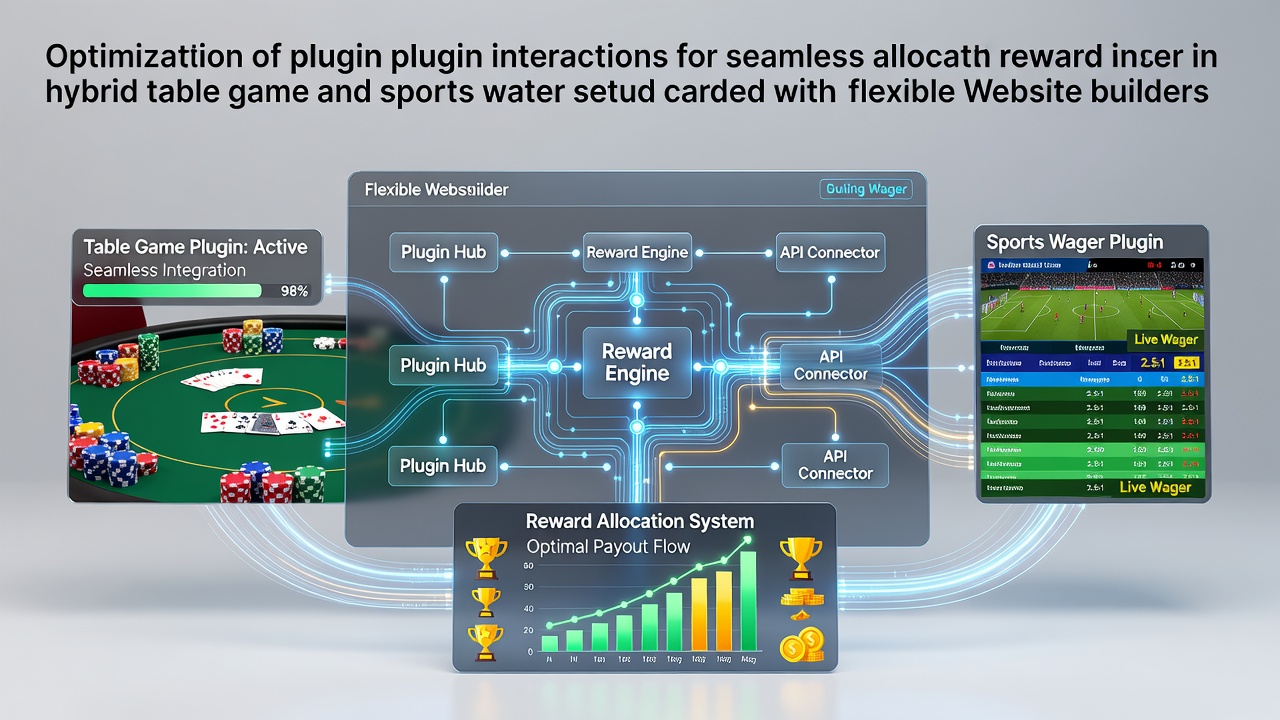
Optimizing Plugin Interactions for Seamless Reward Allocation in Hybrid Table Game and Sports Wager Setups Using Flexible Website Builders
Hybrid gaming platforms that combine table games with sports wagering require coordinated reward systems where points, bonuses, and loyalty credits transfer without friction across different modules. Flexible website builders such as WordPress serve as the foundation for these setups because they allow developers to add, update, and connect plugins that handle game logic, betting interfaces, and reward tracking in one environment. In July 2026 operators continue to refine these connections as regulatory reporting demands increase and player expectations for instant reward updates rise.
Core Components of Plugin Ecosystems in Hybrid Setups
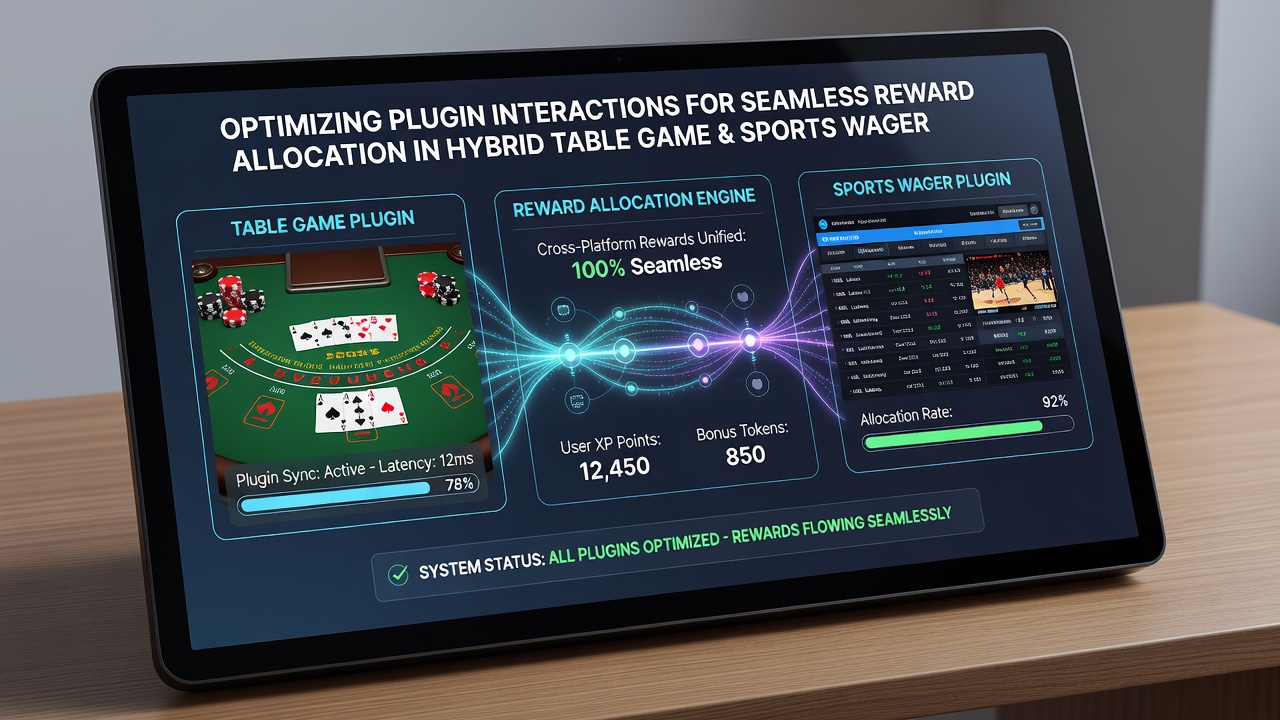
Plugin interactions begin with core modules that manage user accounts, game sessions, and transaction logs. A table game plugin records spin outcomes or card results while a separate sports wager plugin processes live odds and bet placements. Reward allocation plugins then pull data from both sources to calculate and distribute credits. Observers note that when these plugins share standardized data fields for player identifiers and transaction timestamps the allocation process runs without manual intervention or duplicate entries.
Flexible builders support this through modular architecture where each plugin registers hooks that other components can access. Database queries run in the background to synchronize balances across table game wins and sports bet payouts. Research from industry reports shows that platforms using consistent plugin APIs reduce reward processing delays by measurable margins compared with custom-coded solutions that lack shared interfaces.
Techniques for Streamlining Data Exchange
Developers establish communication layers that let plugins exchange information in real time. Scheduled tasks pull aggregated data from game logs and feed it into reward calculation engines while event listeners trigger updates the moment a wager settles or a table round completes. Those who maintain these systems report that mapping reward rules to common data structures prevents conflicts when multiple game types contribute to the same player balance.
Flexible builders provide dashboard tools that let administrators adjust allocation parameters without editing code. Sliders and input fields control multipliers for sports bets versus table game sessions, and preview functions display how changes affect different player segments. Data from iGaming Ontario indicates that platforms with adjustable interfaces handle seasonal promotions more efficiently during peak periods.
Security and Compliance Considerations
Reward allocation touches financial data so plugins must incorporate encryption for stored values and secure transmission channels between modules. Audit trails generated by each plugin record every credit issuance and redemption, which supports regulatory reviews. In July 2026 several jurisdictions updated guidelines that emphasize transparent logging of cross-module transfers, prompting builders to include compliance checkers that flag incomplete records before they reach production environments.
Access controls limit which plugins can read or modify reward ledgers. Role-based permissions ensure that marketing teams adjust bonus campaigns while only technical staff alter core calculation scripts. Reports from the European Gaming and Betting Association highlight that layered permission systems correlate with fewer compliance incidents across multi-format sites.
Testing and Performance Monitoring
Before deployment operators run integration tests that simulate concurrent table game sessions and live sports wagers. These tests measure how quickly reward balances update and whether any plugin encounters resource conflicts. Performance dashboards track memory usage and query execution times so administrators can identify bottlenecks early.
Load testing tools integrated into flexible builders replicate peak traffic patterns observed during major sporting events. Results guide decisions about caching strategies and database indexing that keep reward allocation responsive even when thousands of transactions occur simultaneously. Experts have observed that platforms maintaining regular test cycles experience fewer post-launch adjustments.
Conclusion
Optimizing plugin interactions in hybrid table game and sports wager environments centers on shared data standards, secure communication channels, and administrative interfaces that support ongoing adjustments. Flexible website builders supply the structure for these connections while allowing operators to meet evolving regulatory and player requirements. Continued refinement of these systems supports reliable reward allocation across multiple game formats.