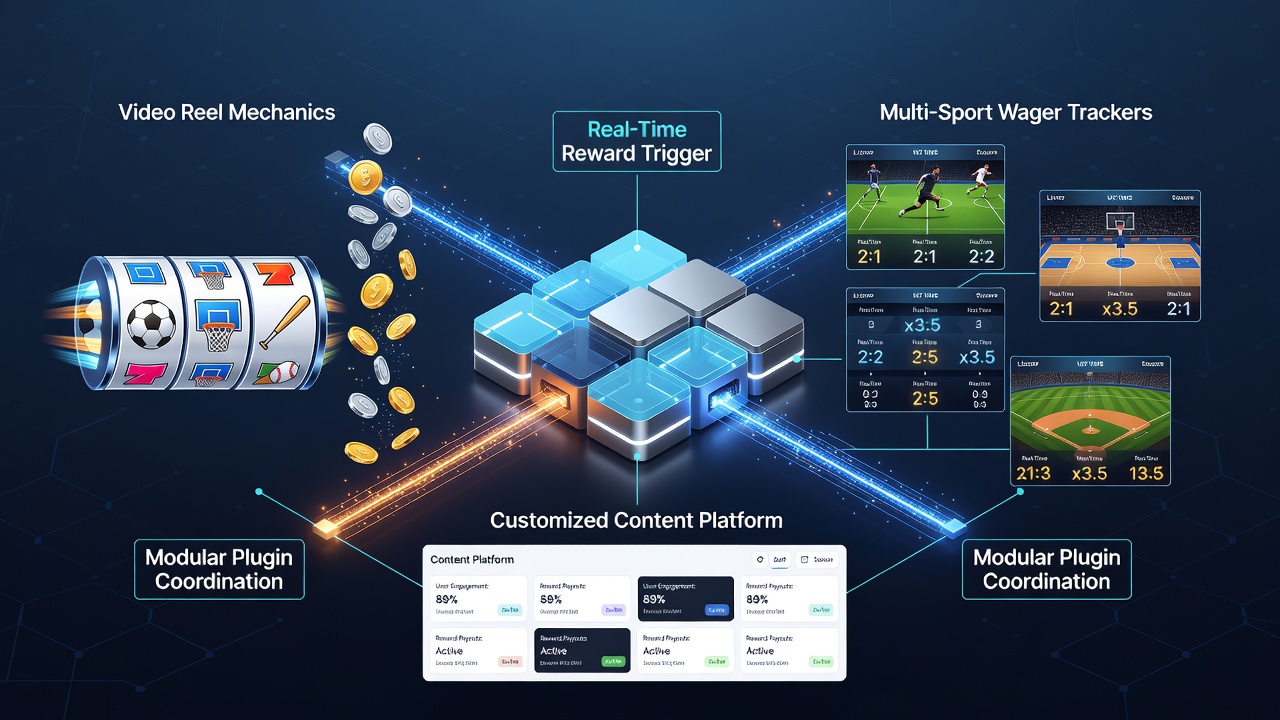
Modular Plugin Frameworks Syncing Video Reel Triggers with Multi-Sport Wager Systems
Developers adapt modular plugin architectures to handle real-time reward triggers that link video reel outcomes directly to multi-sport wager trackers, and these systems operate on customized content platforms built for integrated gaming environments. The approach relies on independent modules that communicate through standardized event hooks, allowing reel spin results to update wager balances and trigger conditional bonuses without requiring full platform rebuilds.
Core Components in Plugin Coordination
Each module manages a distinct function while exposing APIs for cross-system calls, so video reel plugins detect win conditions and push data to wager trackers that monitor live odds across multiple sports. Event listeners in the architecture capture actions such as reel stops or bet settlements, then route them through a central dispatcher that applies reward rules in sequence. Platforms configured this way process updates in milliseconds, keeping player interfaces responsive during combined sessions that mix slots and live sports markets.
Implementation Patterns on Customized Platforms
Customized WordPress installations serve as the base for many of these setups, with plugin directories organized into separate directories for reels, sports tracking, and reward logic. Database tables store trigger mappings that define how a three-reel match on one game converts into bonus credits usable on football or basketball wagers, and scheduled tasks poll these tables to maintain consistency across sessions. In August 2026 several platforms reported expanded use of these mappings following updates to core plugin frameworks that improved hook reliability.
One implementation registers custom actions for reel events that carry payload data including stake amounts and outcome multipliers, while corresponding sports modules listen for those same actions and adjust tracker states accordingly. This bidirectional flow supports scenarios where a large sports payout activates a reel bonus round or a reel streak modifies wager limits on upcoming matches. Observers note that separation of concerns in the plugin structure reduces conflicts when operators add new sports markets or reel variants.
Real-Time Data Flow and Trigger Management
Data flows through message queues that decouple reel mechanics from wager processors, allowing each component to scale independently during peak traffic periods. Reward triggers evaluate conditions such as consecutive reel wins or accumulated sports handle, then issue credits through a shared ledger that both systems reference. Tests on live platforms show that this queue-based method maintains sub-second latency even when handling simultaneous inputs from hundreds of active users.

Security layers validate each trigger payload before execution, checking signatures and session tokens to prevent unauthorized reward injections. Audit logs record every cross-module call with timestamps and user identifiers, giving operators traceable records that align with reporting requirements from bodies such as the Gambling Regulatory Authority. Those logs also support compliance reviews conducted by regional oversight groups operating outside the United States.
Scaling and Maintenance Considerations
Operators scale these architectures by deploying additional instances of individual modules rather than monolithic updates, and container orchestration tools manage load distribution across reel and sports components. Regular plugin updates focus on refining trigger conditions and adding support for emerging sports data feeds, while backward compatibility checks ensure older reel titles continue to interact correctly with newer wager trackers. Research from academic groups studying distributed gaming systems indicates that modular designs cut deployment times by measurable margins compared with tightly coupled codebases.
Case examples include platforms that introduced basketball-specific wager modules mid-season and linked them to existing reel reward pools without downtime. The modular boundary allowed developers to test the new integration in a staging environment before pushing changes to production, minimizing risk to live player sessions.
Conclusion
Modular plugin architectures continue to provide the structure needed for real-time coordination between video reel mechanics and multi-sport wager trackers on customized platforms, and the pattern supports ongoing expansion as new game types and betting formats emerge. Data from industry reports, including those issued by the European Gaming and Betting Association, shows steady adoption of these frameworks across multiple jurisdictions through 2026. The approach keeps reward systems synchronized while preserving the flexibility required for platform evolution.