
Leveraging Custom Shortcode Ecosystems to Streamline Multi-Tier Bonus Tracking Across Poker and Sports Betting Modules on Niche Gaming Sites
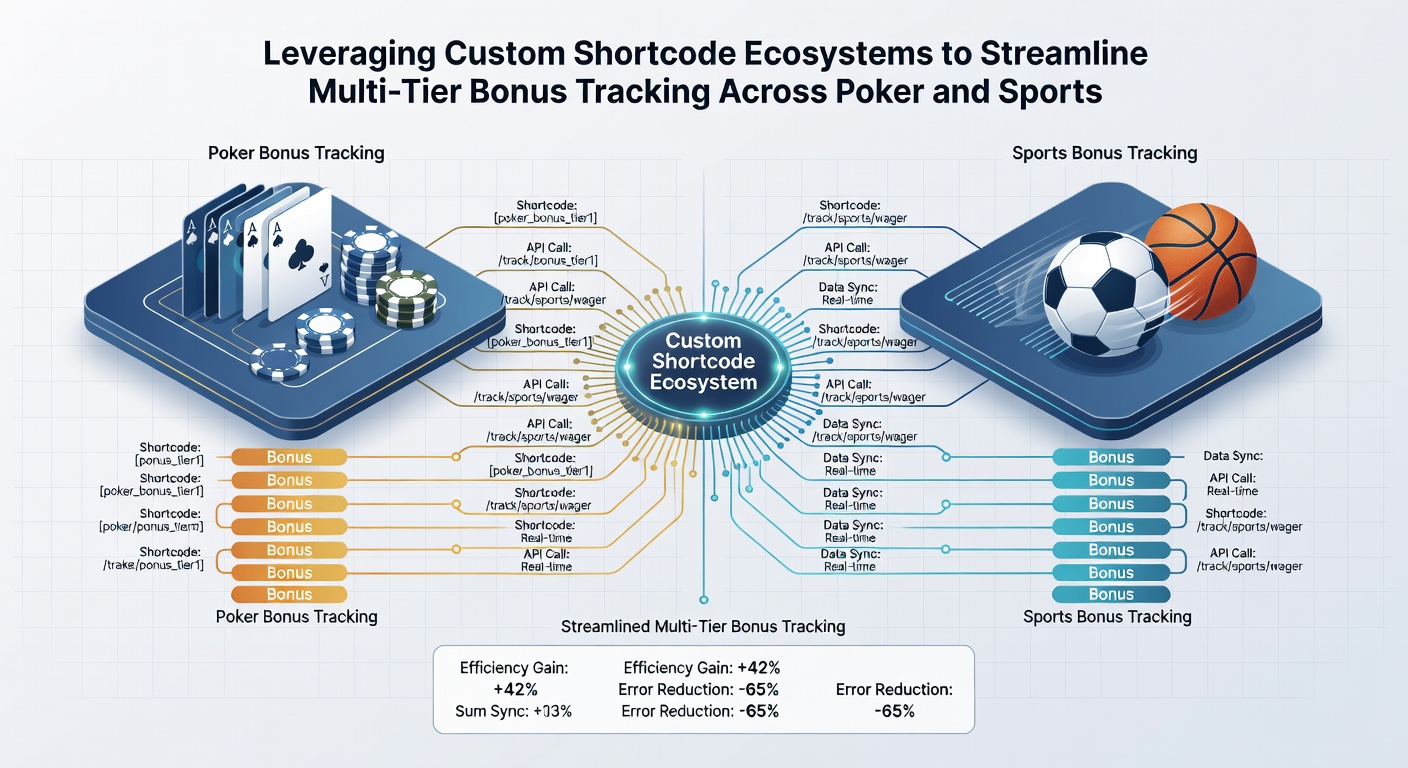
Niche gaming sites frequently operate with limited development resources yet must manage intricate promotional structures that span poker rooms and sports betting platforms; custom shortcode ecosystems address this challenge by allowing modular code snippets to handle bonus calculations, eligibility checks, and reward distributions without requiring full-scale software overhauls. These ecosystems embed directly into content management systems such as WordPress, where operators define shortcodes that pull real-time data from separate databases for poker hand histories and sports wager ledgers. Data from regulatory filings indicates that smaller operators adopting such systems reduced manual reconciliation tasks by up to 40 percent during peak promotional periods. Operators configure shortcodes to recognize tiered bonus levels that escalate based on cumulative activity across both verticals. A player completing a certain volume of poker hands might unlock an initial reward tier, while additional sports bets push the same account into higher multipliers that apply retroactively. The shortcode logic evaluates combined metrics through a centralized tracking table updated via API calls from each module, ensuring consistent application of rules even when traffic spikes occur during major sporting events or tournament series.Core Components of Shortcode-Based Tracking
Developers build the foundation around a set of reusable shortcodes that accept parameters for bonus type, tier threshold, and expiration window. One shortcode might calculate poker-specific rake contributions while another monitors sports betting handle; a master shortcode then aggregates these figures to determine overall tier status. This modular approach lets site administrators adjust bonus parameters site-wide by editing a single function rather than revising multiple plugin files.
Database schemas supporting these systems typically include separate tables for poker sessions, sports wagers, and bonus redemptions, linked through user identifiers and timestamp fields. Queries executed by the shortcodes run on scheduled intervals or trigger events such as wager placement, which keeps player dashboards current without constant manual refreshes. Observers note that this architecture maintains performance on sites handling several thousand concurrent users because the shortcodes cache intermediate results in transient storage layers.
Integration Across Poker and Sports Betting Modules
Integration begins with mapping data fields from poker software providers to equivalent fields in sports betting engines, creating a unified activity log that shortcodes reference during tier evaluations. For instance, a poker tournament entry fee converts to an equivalent sports betting stake value through predefined conversion rates stored in configuration files. The shortcode then applies the appropriate multiplier from the active bonus tier and records the outcome in a shared reward ledger.
Testing protocols involve simulated player journeys that traverse both modules in sequence, verifying that bonus tiers advance correctly and that redemption interfaces display accurate available rewards. In May 2026 several niche operators reported successful deployment of updated shortcode versions that incorporated new sports market types while preserving existing poker bonus rules, minimizing downtime during the transition.
Operational Advantages for Smaller Platforms
Smaller sites gain flexibility because shortcode modifications require no downtime for full platform redeployments, allowing rapid response to changing promotional demands or regulatory adjustments. Maintenance teams track version history through standard revision systems, rolling back changes when conflicts arise between poker and sports data feeds. Figures from industry reports reveal that sites utilizing these ecosystems experienced fewer discrepancies during audits compared with those relying on separate bonus engines for each vertical.
Security considerations include restricting shortcode execution privileges to authenticated administrative roles and validating all input parameters against whitelists before database queries execute. External links to compliance resources such as Pennsylvania Gaming Control Board guidelines help operators align shortcode logic with jurisdictional requirements for bonus transparency and player fund segregation.
Implementation Patterns Observed in Practice
One documented case involved a regional site that layered three bonus tiers across poker cash games and live sports markets, using shortcodes to trigger automatic credit issuance once thresholds were met. The system logged every calculation step, producing audit trails that satisfied both internal review and external examiner requests. Another operator extended the same framework to include loyalty point conversions, where accumulated points from either module could upgrade bonus tiers in the other without manual intervention.
Performance monitoring tools attached to the shortcode layer measure execution time and cache hit rates, flagging any degradation that might affect player experience during high-traffic windows. Adjustments to query optimization or caching duration occur through configuration updates rather than code rewrites, keeping response times stable as player bases grow.
Conclusion
Custom shortcode ecosystems provide niche gaming sites with a practical method for unifying multi-tier bonus tracking across poker and sports betting modules while maintaining operational efficiency and audit readiness. Continued refinements to these systems support evolving market requirements and regulatory expectations without necessitating complete infrastructure replacements.