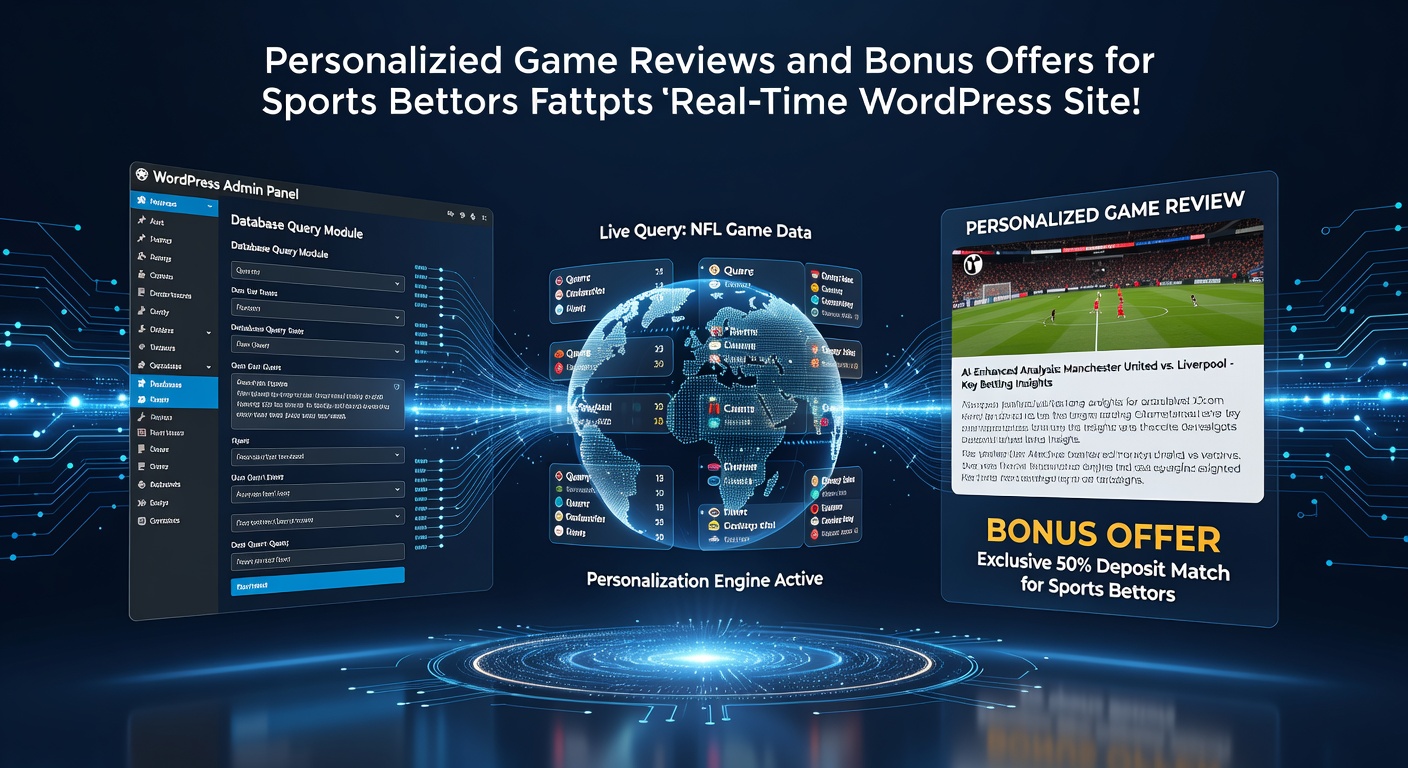
Harnessing Database Queries to Personalize Game Reviews and Bonus Offers for Sports Bettors on WordPress Sites
Database systems form the backbone of personalization efforts across many WordPress-based sports betting platforms, where structured queries pull user-specific data to tailor content in real time. Operators store betting histories, preference profiles, and engagement metrics in custom tables that extend beyond standard WordPress posts and user meta fields, allowing precise filtering through the wpdb class or optimized SQL statements. This approach connects directly to how sites display game reviews and surface bonus promotions that match individual patterns rather than generic recommendations.Building Custom Database Structures for Betting Data
Developers create dedicated tables to track variables such as wager amounts, preferred sports leagues, average session duration, and response rates to past promotions; these tables link to the core WordPress user table through foreign keys so queries can join behavioral records with account details. Efficient indexing on columns like user_id, sport_category, and timestamp keeps retrieval times low even when thousands of concurrent visitors trigger simultaneous lookups. As platforms expand in May 2026, many teams migrate high-volume logs to separate read-replica databases while keeping the primary WordPress instance focused on content delivery.
Query Techniques That Shape Personalized Game Reviews
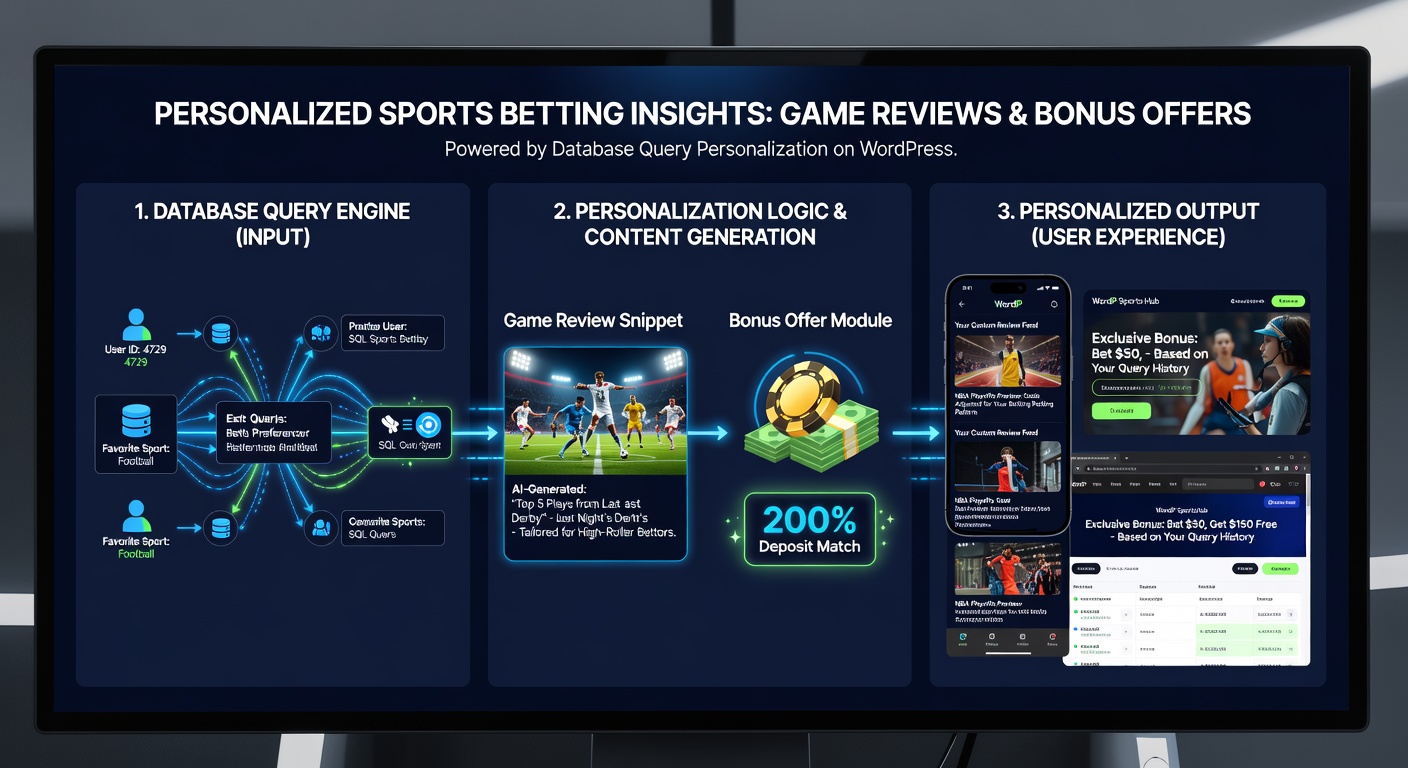
Review sections rely on conditional SELECT statements that reference a bettor’s historical activity before rendering star ratings, commentary excerpts, or comparison tables. A typical query might filter football titles by cross-referencing recent soccer wagers stored in the custom activity table, then surface only those reviews tagged with similar risk levels or payout frequencies. Developers often wrap these calls inside WordPress shortcodes or REST API endpoints so theme files remain clean while still accessing live results. When a user has placed multiple basketball bets in the preceding month, the system prioritizes reviews highlighting live-betting features or player-prop markets instead of defaulting to the newest releases.
Dynamic Bonus Offer Delivery Through Targeted Queries
Bonus personalization follows a parallel pattern yet adds eligibility checks against regulatory limits and account status fields. Queries examine deposit frequency, total handle, and loyalty tier before deciding which free-bet or deposit-match offers appear in a sidebar widget or dedicated promotions page. One common pattern joins the bonus_rules table with the user_bets table to exclude offers already claimed or those that conflict with responsible-gaming flags. Sites that serve multiple jurisdictions maintain separate rule sets per region, allowing the same core query logic to return compliant results whether the visitor logs in from a state with strict advertising rules or one with broader promotional allowances.
Performance Considerations and Caching Layers
Heavy query loads during peak evening hours prompt many administrators to implement object caching through Redis or Memcached so repeated personalized results remain in memory for several minutes. Cache keys incorporate user identifiers and last-bet timestamps, invalidating entries only when new activity arrives rather than on every page load. Database administrators monitor slow-query logs to spot joins that could benefit from additional indexes or denormalized summary tables updated nightly through scheduled WordPress cron jobs.
Integration With Third-Party Sports Data Feeds
Real-time odds and event schedules arrive via external APIs and land in temporary staging tables before merging into the main personalization engine. Queries that combine these live feeds with stored user preferences generate context-aware review snippets, such as highlighting a newly available prop bet on an event the bettor has previously wagered on. Scheduled import scripts keep these staging tables current while avoiding direct API calls inside the main page-rendering path, preserving both speed and data consistency across distributed WordPress instances.
Regulatory Alignment in Data Handling Practices
Operators reference guidelines from bodies such as the Alcohol and Gaming Commission of Ontario and reports issued by the Australian Institute of Criminology when designing query filters that respect self-exclusion lists and age-verification flags. These constraints translate into additional WHERE clauses that exclude certain bonus offers or review highlights for restricted accounts, ensuring the personalization layer does not inadvertently surface prohibited material.
Conclusion
Database-driven personalization on WordPress sports-betting sites continues to evolve through refined query patterns, strategic indexing, and careful integration with external data sources. As platforms scale their offerings through May 2026 and beyond, the ability to surface relevant game reviews and bonus structures rests on maintaining clean data models and responsive query layers that respect both user behavior and regulatory boundaries.