Algorithmic Personalization Engines Drive Cross-Game Bonus Allocation on WordPress Gaming Portals
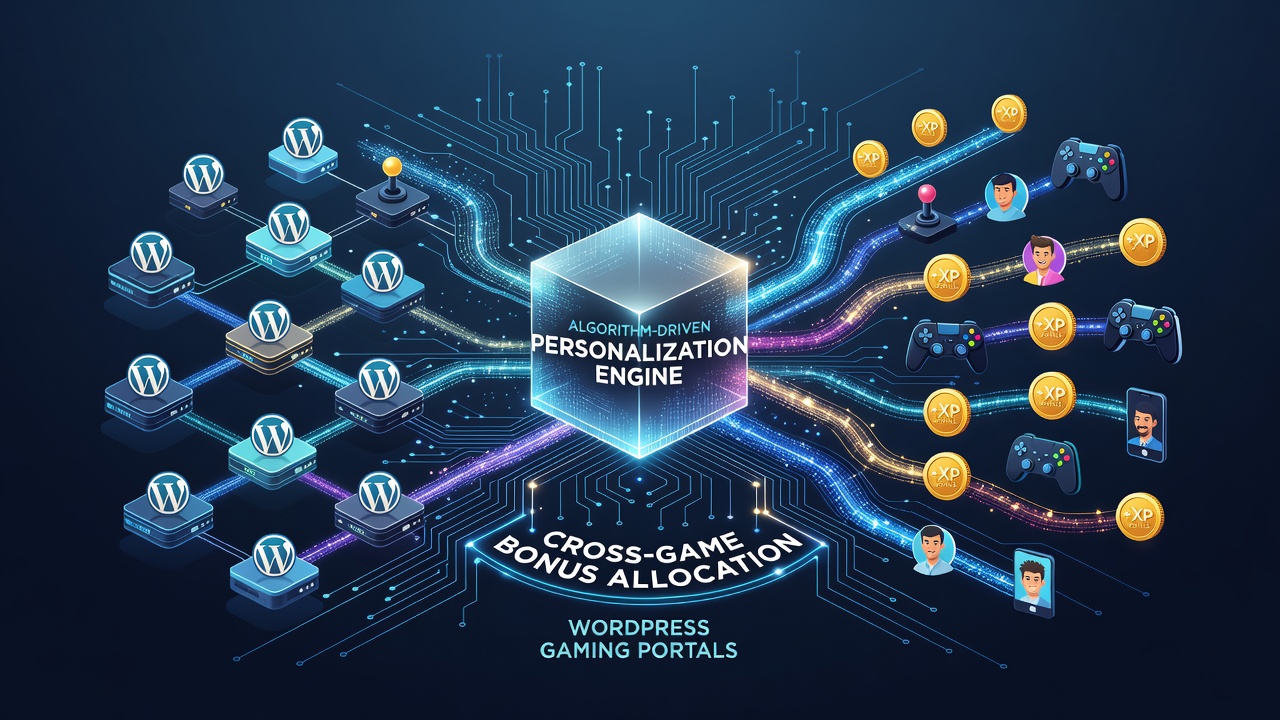
WordPress gaming portals rely on algorithmic personalization engines to manage bonus allocation across multiple game formats, including slots, poker, and sports betting modules. These systems analyze player behavior data in real time, then distribute incentives such as deposit matches or free spins based on patterns observed in session length, wager volume, and game type preferences. Developers integrate these engines through custom plugins that connect to database queries, allowing seamless updates without manual intervention.
Core Components of Personalization Engines
Personalization engines operate through layered algorithms that process inputs from player profiles, transaction histories, and engagement metrics. Machine learning models identify correlations between activity in one game category and potential interest in another, then trigger bonus offers accordingly. For instance, a player who spends significant time on poker tables might receive slot-based incentives during off-peak hours, while sports bettors see tailored promotions tied to upcoming events. Data shows these cross-game allocations increase retention rates by aligning rewards with demonstrated preferences rather than generic offers.
WordPress platforms facilitate this through event-driven scripts that synchronize data across modules. Shortcodes embedded in page templates pull real-time information from central databases, ensuring bonus displays update instantly when algorithms detect qualifying activity. Observers note that such integrations reduce latency issues common in multi-format sites, allowing operators to maintain consistent user experiences even during high-traffic periods in August 2026.
Technical Implementation on WordPress Sites
Site administrators deploy these engines via open-source frameworks that support database optimization and API connections to external analytics tools. Custom queries filter player data by variables such as geographic location, device type, and historical bonus redemption rates, then feed results into allocation rulesets. Researchers have documented cases where these setups enabled dynamic bonus scaling, where rewards adjust automatically based on cross-game participation thresholds.
Security measures accompany these technical layers, with encrypted data handling protocols protecting sensitive information during processing. Regulatory bodies in regions like Australia and Canada have outlined guidelines for responsible data use in gaming environments, emphasizing transparency in how algorithms determine eligibility. According to reports from the Australian Communications and Media Authority, compliant systems incorporate audit trails that log every bonus decision for review.
Data Synchronization and Real-Time Updates
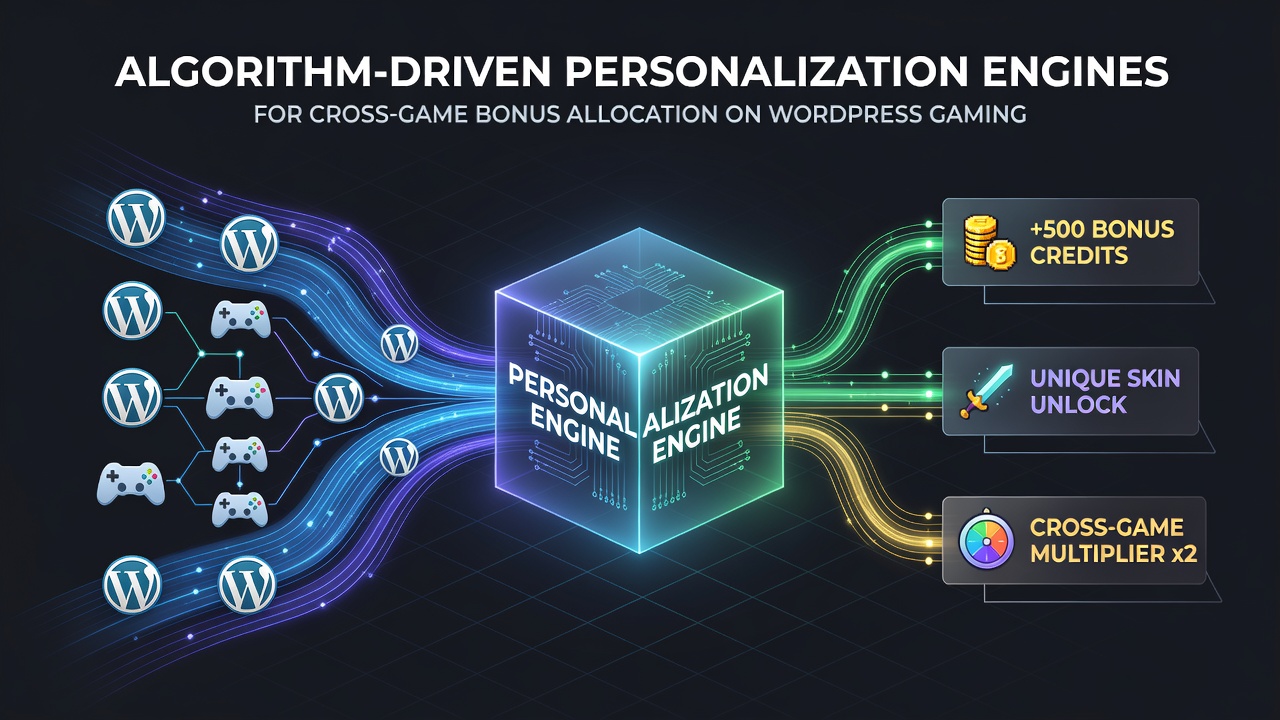
Cross-platform synchronization forms a critical element in maintaining accurate bonus allocation. Event-driven architectures push updates from one game module to others, ensuring that activity in a poker session immediately influences available slot incentives. This approach prevents discrepancies that could arise from delayed data transfers, particularly on portals handling simultaneous users across different time zones.
Studies from academic institutions, including research published by the University of Nevada's gaming technology programs, highlight how open-source tools enhance synchronization reliability. These frameworks allow developers to build modular components that scale with site growth, supporting additional game formats without overhauling existing infrastructure. Figures from industry analyses indicate that portals adopting such methods report fewer technical interruptions during peak allocation periods.
Regulatory Considerations in 2026
Regulatory changes throughout 2026 have prompted adjustments in how personalization engines handle bonus distribution. Agencies in multiple jurisdictions require documentation of algorithmic fairness, with particular attention to preventing over-allocation that might encourage excessive play. Operators on WordPress platforms address these demands by incorporating configurable parameters that align with local rules, such as spending limits or cooling-off periods triggered by the same data pipelines used for personalization.
Industry organizations like the European Gaming and Betting Association have compiled resources on best practices for algorithmic transparency, noting variations in implementation across member states. These guidelines encourage regular testing of allocation models to verify they do not inadvertently favor certain player segments over others based on incomplete data sets.
Future Developments and Integration Trends
Emerging trends point toward deeper integration of artificial intelligence models that refine cross-game bonus logic through continuous learning cycles. WordPress ecosystems benefit from plugin ecosystems that support these advancements, enabling rapid deployment of updated algorithms without disrupting live operations. Those who manage such portals often find that combining database-driven personalization with user feedback loops yields more precise targeting over successive iterations.
Conclusion
Algorithm-driven personalization engines continue to reshape bonus allocation strategies on WordPress gaming portals by connecting player data across diverse game formats. Technical implementations emphasize real-time synchronization and regulatory compliance, supported by frameworks that adapt to evolving industry standards observed through August 2026. External analyses from sources such as Canadian federal consumer protection resources and university-led studies provide ongoing benchmarks for effective system design in this domain.