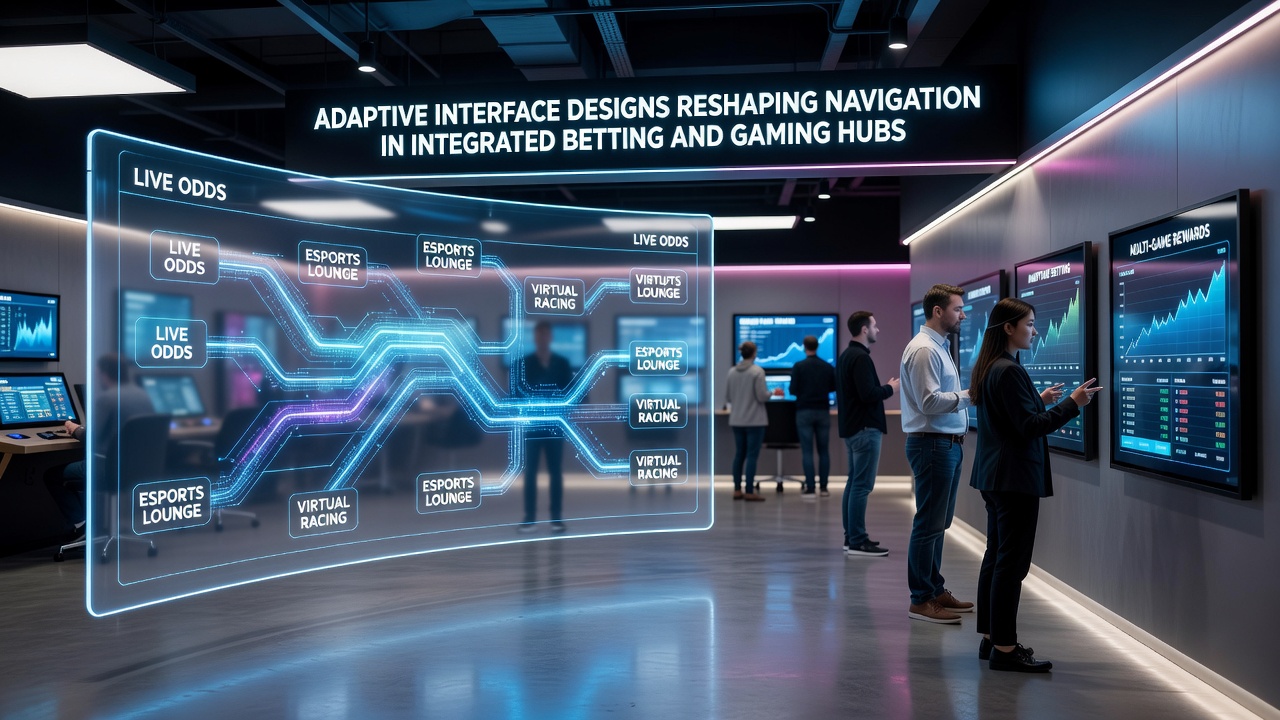
Adaptive Interface Designs Reshaping Navigation in Integrated Betting and Gaming Hubs
Adaptive interface designs have gained traction across integrated betting and gaming hubs where users switch between sports wagering, slot machines, table games, and live dealer sessions within a single platform, and data from industry analyses shows these systems adjust layouts, menus, and content based on user behavior, device type, and session history. Observers note that platforms employing machine learning algorithms track patterns such as preferred game categories or betting frequencies, then reorganize navigation elements like sidebars, tabs, and quick-access buttons to reduce clicks and improve flow between sections.
Core Components of Adaptive Navigation Systems
Developers integrate responsive frameworks with personalization engines that modify interface elements in real time, while researchers at academic institutions have documented how these engines rely on variables including time of day, geographic location, and previous interactions to prioritize certain features. For instance, a user who frequently accesses poker tournaments might see those options elevated in the main menu, whereas someone focused on live sports events receives prominent odds displays and event calendars. Studies from technology research groups indicate that such adjustments occur through client-side scripts combined with server-side data processing, allowing seamless transitions without requiring page reloads.
Integrated hubs often combine these adaptive features with cross-module synchronization, which ensures that navigation changes in one area like the sports betting dashboard reflect instantly in the casino lobby. Figures from platform audits reveal that operators deploying these systems report measurable decreases in average session navigation time, particularly on mobile devices where screen real estate remains limited. Those who've examined deployment logs note that A/B testing cycles help refine the algorithms further, comparing variants with static menus against adaptive ones across user cohorts in different regions.
Implementation Trends Observed Through Mid-2026
By June 2026 several major operators had rolled out updated adaptive navigation layers that incorporate gesture-based controls alongside traditional taps and clicks, and reports from North American gaming associations highlight how these layers support voice commands for hands-free menu navigation during live events. Data indicates that platforms serving both regulated markets in the United States and international jurisdictions have standardized certain accessibility protocols, such as high-contrast modes and scalable text, which adapt automatically based on device settings or user profiles. Canadian provincial regulators, for example, have referenced similar interface standards in compliance documentation that encourages operators to maintain consistent user experiences across desktop and mobile environments.

What's notable is the integration with backend databases that store user preference vectors, allowing the front-end interface to pull contextual recommendations without additional input. One case documented in technical white papers describes a European operator that linked its adaptive menu system to real-time odds feeds, resulting in automatic highlighting of trending markets during major sporting events. Observers tracking these deployments point out that security protocols remain embedded within the adaptation logic, preventing unauthorized data exposure while still enabling personalized navigation paths.
Data Patterns and Platform Performance Metrics
Analytics platforms used by gaming operators compile metrics on navigation efficiency, and aggregated reports show that adaptive designs correlate with higher retention rates in multi-format environments where users engage with both betting and casino products. Research from university-led studies on human-computer interaction in entertainment software has examined how predictive loading of submenus reduces perceived latency, particularly when transitioning between poker tables and slot lobbies. Those analyzing traffic patterns note that seasonal spikes, such as during international tournaments, prompt platforms to temporarily emphasize related content categories in the primary navigation bar.
Industry organizations including the American Gaming Association have compiled summaries of technological investments, revealing that many operators allocate portions of their development budgets specifically to interface adaptability. Figures reveal continued growth in the adoption of open-source libraries that facilitate these dynamic adjustments, allowing smaller platforms to implement comparable features without extensive custom coding. External benchmarks from Australian government gaming research bodies further illustrate how regulatory frameworks in that region encourage testing of adaptive systems for fairness and transparency in user experience delivery.
Conclusion
Adaptive interface designs continue to influence how navigation functions within integrated betting and gaming hubs, driven by ongoing refinements in data processing and user modeling techniques. As operators expand their offerings across multiple game types and regulatory environments, the emphasis on responsive, behavior-informed layouts persists in platform updates. Those monitoring developments through 2026 observe that these systems integrate with broader technological infrastructure including cloud services and compliance tools, supporting consistent performance across diverse user bases.