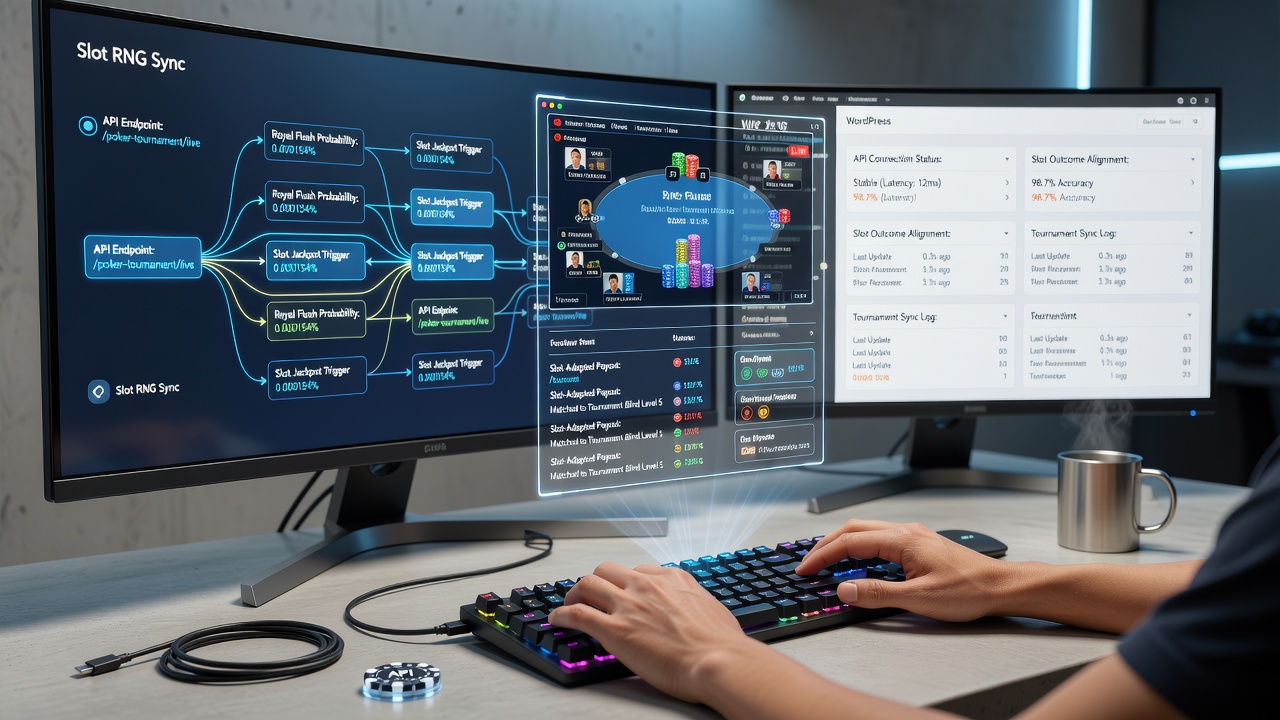
Adapting API Connections to Align Slot Outcomes with Live Poker Tournaments on Specialized WordPress Builds
Specialized WordPress builds for online gaming platforms require precise API adaptations when operators seek to synchronize slot machine results with live poker tournament mechanics, and this alignment process involves mapping data streams from random number generators in slots directly to tournament scoring systems that track player performance in real time. Developers configure endpoints to pull outcome data from slot APIs while pushing corresponding adjustments into poker modules that handle buy-ins, blinds, and elimination brackets, creating a unified ecosystem where slot wins influence poker leaderboard positions without manual intervention.
Core Technical Requirements for API Synchronization
Platforms built on custom WordPress frameworks use plugins that extend core functionality through hooks and filters, allowing developers to intercept slot outcome payloads and translate them into poker tournament variables such as chip stacks or qualification points. Research from industry reports indicates that successful implementations rely on RESTful or WebSocket connections that maintain persistent links between slot servers and poker databases, ensuring latency stays below 200 milliseconds during high-traffic tournament periods. Those who maintain these systems often employ middleware layers written in PHP or Node.js to normalize data formats, converting JSON responses from slot providers into structured arrays that poker tournament scripts can process immediately.
Handling Real-Time Data Flows
Live poker tournaments generate continuous updates on player actions while slot outcomes arrive in discrete events, so API connections must buffer incoming slot results and release them at synchronized intervals that match tournament round timers. This coordination prevents mismatches where a slot win might appear after a poker hand concludes, and it requires timestamp validation routines that compare server clocks across distributed systems. Data shows that operators who implement clock synchronization protocols through services like NTP achieve higher consistency in outcome alignment across multiple game types hosted on the same WordPress installation.
WordPress-Specific Customizations
Custom WordPress builds incorporate dedicated post types and taxonomies to represent slot games and poker tournaments as interconnected content objects, enabling queries that join slot outcome tables with poker participant records through custom database schemas. Developers add ACF fields or similar meta structures to store API credentials and mapping rules, then create shortcodes that display aligned results on frontend pages without exposing sensitive connection details. As of June 2026, several platforms have adopted GraphQL layers over traditional REST endpoints because they allow selective data fetching that reduces server load when multiple tournament views request slot-derived statistics simultaneously.
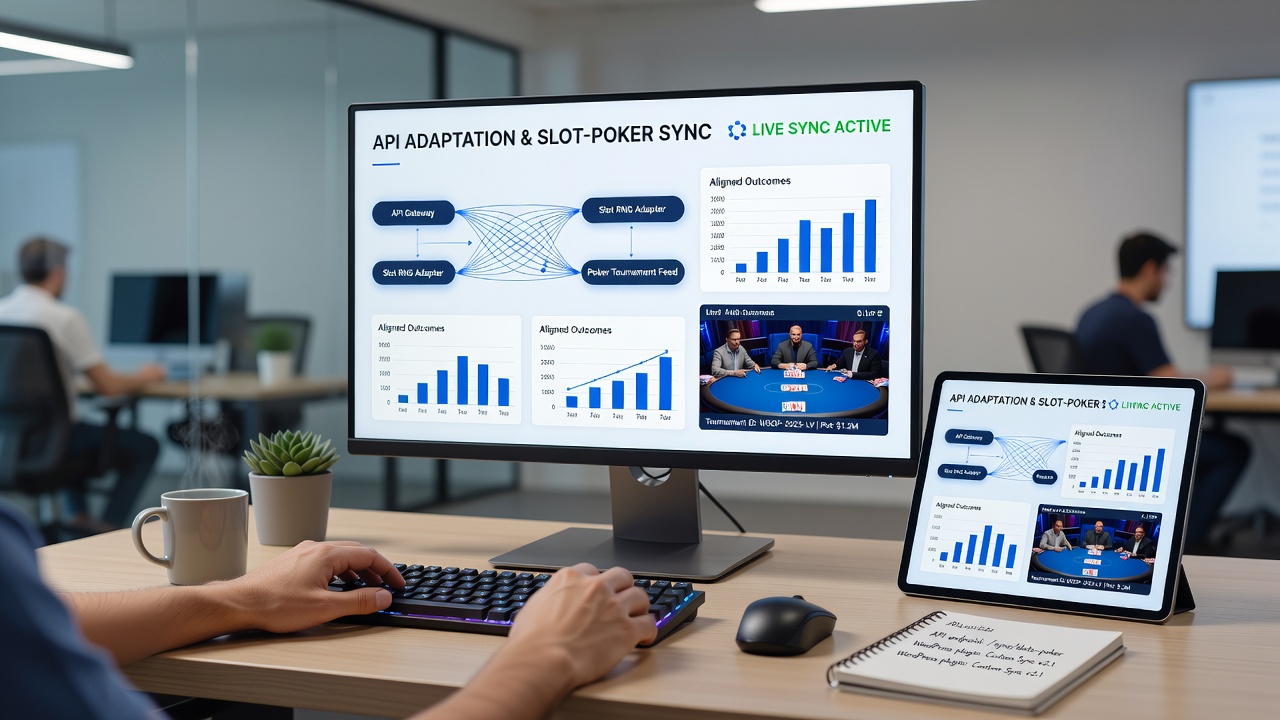
Security considerations include rate limiting on API calls and token rotation mechanisms that prevent unauthorized access to outcome data streams, while caching layers store frequently requested alignments to minimize repeated external requests. Observers note that specialized hosting environments optimized for WordPress gaming sites provide dedicated resources for background processes that handle these synchronizations without affecting page load times for visitors.
Integration Patterns Observed Across Platforms
One common pattern involves webhook listeners that trigger on slot spin completions and then invoke poker tournament APIs to update player metrics, creating an event-driven architecture that scales with concurrent users. Another approach uses scheduled cron jobs within WordPress to poll slot providers at fixed intervals and reconcile results against active tournament sessions, although this method introduces slight delays compared to push-based systems. Reports from the American Gaming Association highlight that operators using hybrid models combining both webhooks and polling achieve more robust failover when one connection method experiences interruptions.
Those managing multi-site WordPress networks often deploy centralized API gateways that route requests from individual subsites to shared slot and poker services, maintaining consistent mapping logic across regional deployments. This setup proves useful when regulatory requirements differ by jurisdiction and demand separate data handling rules for slot versus poker elements.
Conclusion
Adapting API connections for slot and poker alignment on specialized WordPress platforms continues to evolve as providers release updated endpoints and tournament formats incorporate new scoring variables. Platforms that invest in modular code structures and thorough testing protocols maintain reliable synchronization even as traffic volumes increase during major events. Continued refinement of these technical approaches supports stable operations across gaming ecosystems that combine multiple game formats under unified user experiences.